Key facts
- Years active
- 1919–2013
- Founded by
- Robert 'Bobby' Jones
- Country
- United Kingdom
- Headquarters
- Coventry, United Kingdom
- Parent company
- Geely Holding Group
- Famous models
- FX4, TX1, TX4
Brand History
Carbodies was founded in 1919 by Robert Bobby Jones in Coventry as a coachbuilding firm that produced standardised coachwork for other manufacturers. The company entered the taxi market in 1948 by assembling Austin FX3 taxi bodies in partnership with Austin and Mann & Overton. In 1954 Carbodies was sold to the BSA Group, and in 1958 it began manufacturing Austin FX4 taxi bodies.
Manganese Bronze Holdings acquired Carbodies in 1973. From 1982 the firm took full responsibility for the complete manufacture of the FX4 taxicab. The business was rebranded in 1992 as London Taxis International, usually referred to as LTI, marking its transition to a focused taxi manufacturer.
In 1997 LTI launched the TX1 as the successor to the FX4 and Fairway models. In October 2010 London Taxis International was rebranded as The London Taxi Company. The company was placed in administration in October 2012 and its assets were acquired by Geely in 2013, after which it became defunct.
Key ownership periods included Robert Jones from 1919 to 1954, the BSA Group from 1954 to 1973, and Manganese Bronze Holdings from 1973 until 2013. The main theme throughout its history was British manufacturing of the iconic London black cabs that blended traditional design with evolving technology while retaining strong cultural significance in urban transport.
LTI Logo Evolution
1919 – 1992: Carbodies Era
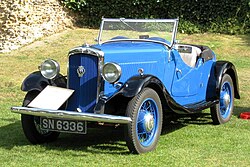
- Design: No dedicated logo described in available records
- Colors: Not documented
- Changes: None recorded
- Context: Preceded the 1992 rebranding that created the dedicated LTI identity
1992 – 2010: LTI Elliptical Logo

- Design: Elliptical oval form with bold uppercase lettering featuring a three-dimensional effect
- Colors: Yellow background with black letters and black outline
- Changes: Introduced in 1992 as part of the formal rebranding
- Context: Used throughout the LTI period when the company produced the TX1 and subsequent taxi models
2010 – 2013: The London Taxi Company Era

- Design: Not specifically documented
- Colors: Not documented
- Changes: Final name change from LTI branding
- Context: Represented the last chapter before the firm’s assets were acquired by Geely
Legacy
The company left a lasting legacy as the manufacturer of the iconic London black cabs that remain a symbol of London and British engineering. From its early days as Carbodies through its years as London Taxis International, LTI helped shape the image of professional urban transport in the United Kingdom. The brand’s evolution illustrates the journey of a traditional coachbuilder that became synonymous with one of the world’s most recognisable vehicles.